
The Evolution of the cappuccino
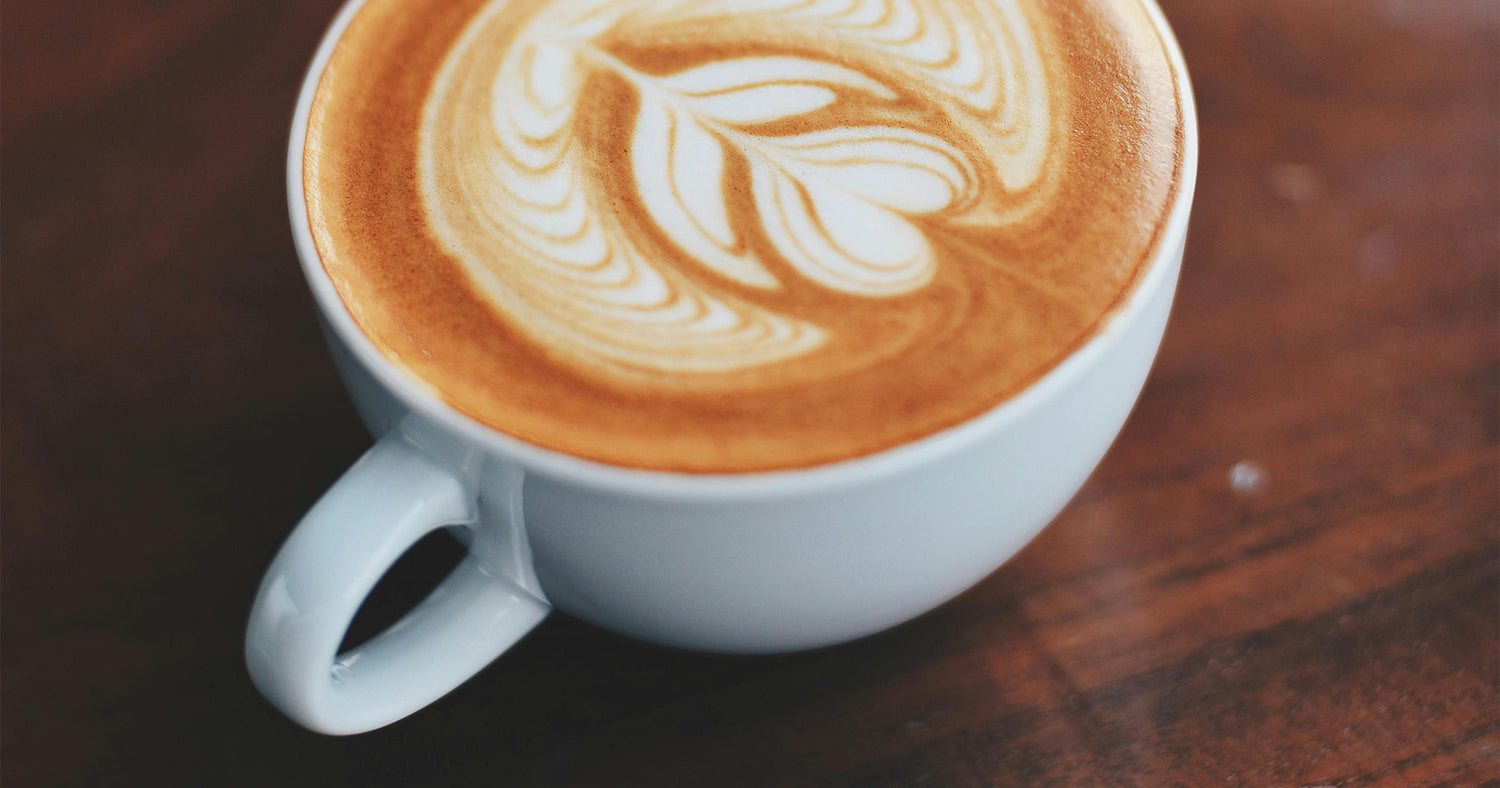
The Origin of the Drink
The cappuccino takes its name from the Capuchin religious order (Capuchins in English), known for the brown color of their robes. It’s a direct analogy to the shade coffee takes when it’s harmoniously blended with milk. The earliest traces of this beverage date back to the early 20th century, during the rise of espresso machines in Italy, marking the official birth of the cappuccino as we know it today.
Popularization
In Italy, the birthplace of the cappuccino, it’s more than just a drink: it’s an institution. Traditionally enjoyed in the morning, paired with a pastry at breakfast, it embodies the Italian way of life. Italians, with their deep attachment to tradition and undeniable passion for coffee, popularized the cappuccino far beyond their borders, turning it into a star in cafés around the world.
Modern Adaptation
While the second wave of coffee introduced cappuccinos into large-scale coffee chains, making the drink more commonplace, it was truly with the rise of third-wave cafés that the cappuccino experienced a new revolution. Focused on bean origin, the precision of roasting methods, and brewing techniques, third-wave coffee artisans brought special attention to the balance and quality of the cappuccino’s ingredients. Baristas’ creativity then gave this traditional drink a fresh image, exploring increasingly elaborate latte art designs, without ever distorting the essence of this classic.
How to Make a Cappuccino?
As a general rule, a cappuccino is served in a cup holding about 150 to 180 millilitres (5 to 6 ounces), allowing for the perfect balance between espresso intensity, milk sweetness, and foam lightness. With less milk than a latte, it lets a more pronounced coffee flavour shine through. Traditionally topped with a dusting of cocoa powder or cinnamon, it can also be served with latte art for a more modern version.
Traditional Cappuccino
- Prepare a single or double espresso according to your favourite recipe in a cappuccino cup
- As a reminder, depending on your taste, you’ll need 15 to 20 g of ground coffee to obtain 30 to 60 ml (1 to 2 oz) in the cup
- Heat and properly aerate the milk in a pitcher to a texture around 65°C (150°F)
- The traditional recipe suggests one part coffee, one part hot milk, and one part foam on top
- Use a spoon to hold back the foam in the pitcher so you can pour the hot milk first
- Then, spoon the desired amount of foam onto the coffee
- You can sprinkle cocoa or cinnamon to your preference
Third-Wave Cappuccino
- Prepare a single or double espresso according to your favourite recipe in a cappuccino cup
- As a reminder, depending on your taste, you’ll need 15 to 20 g of ground coffee to obtain 30 to 60 ml (1 to 2 oz) in the cup. Note that for lighter third-wave coffees, we recommend using a slightly higher dose for a well-balanced flavour
- Heat and steam the milk to 65°C (150°F) in a pitcher, incorporating slightly more aeration than for a latte. The desired texture is a silky microfoam and should not contain large bubbles
- For the steamed milk into the espresso and finish with latte art
