
Where does coffee come from? Part Three
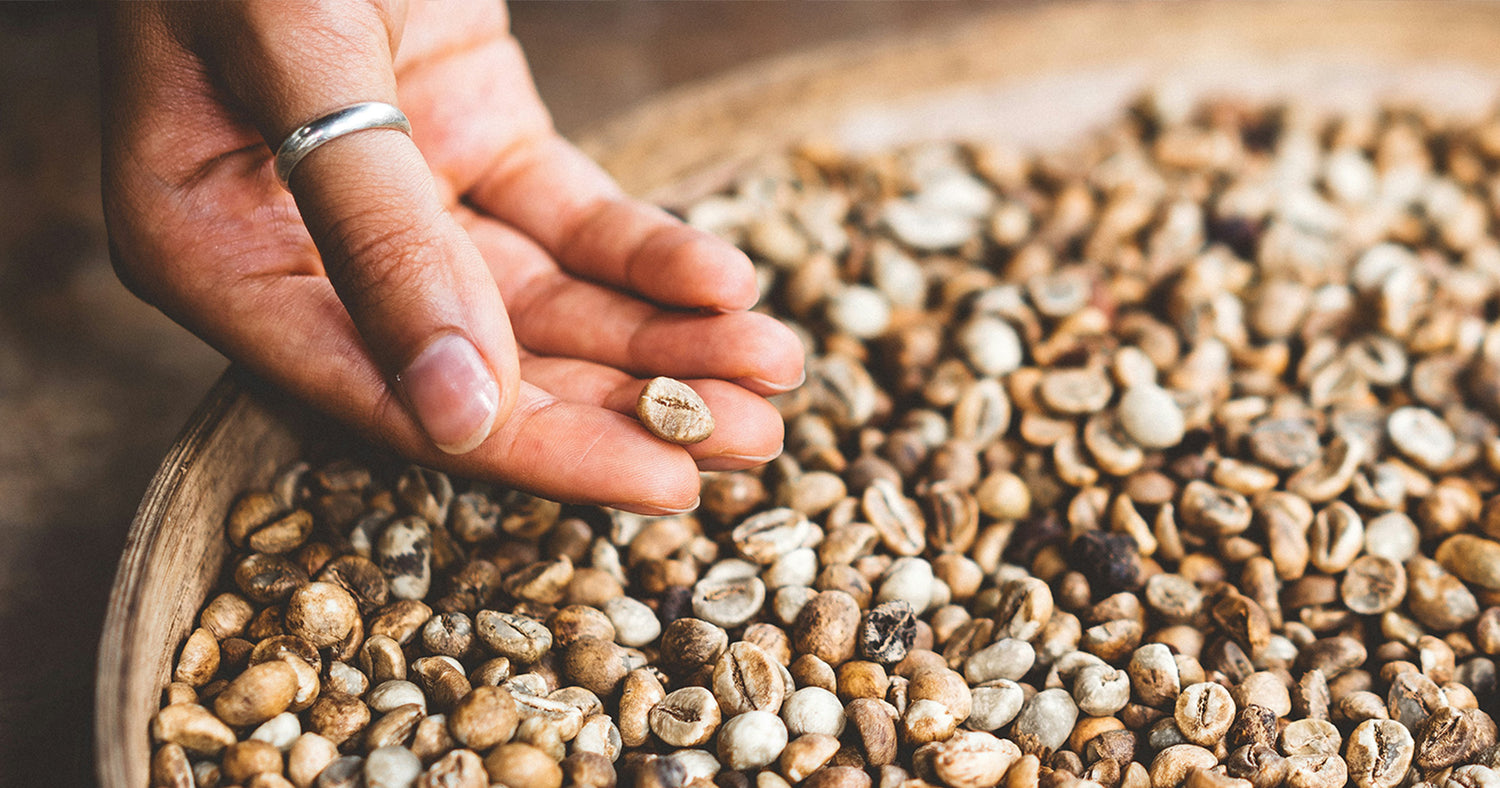
In this third part of our series, you will discover how pickers carefully select ripe cherries and explore the different processing methods that influence the final taste of coffee. You will also learn about the importance of drying coffee beans and why green bean buyers play a vital role in the quality of the coffee we enjoy.
The harvest
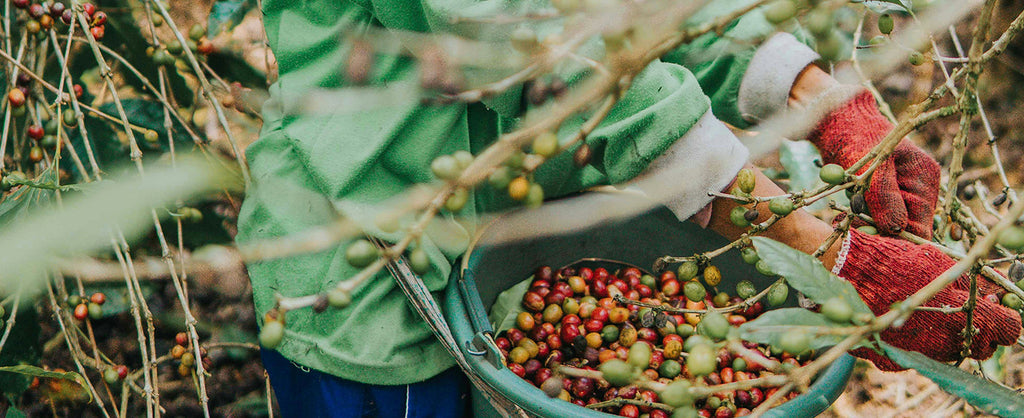
The coffee adventure begins with harvesting. It is laborious work, done mainly by hand by specialized producers. Coffee pickers use incredible precision to select ripe coffee cherries—those with a beautiful reddish hue. But why such care? Well, the integrity and ripeness of coffee cherries play a crucial role in the final taste of the coffee.
The largest commercial coffee producers use machines to facilitate the process. Each cherry contains two seeds (except for the Peaberry variety, which contains only one) which, once processed, will produce the coffee beans we know.

Treatment
Once harvesting is complete, it's time to process the coffee cherries. They must be pulped and processed to be ready for drying. Methods vary, but we will focus on three of them: the natural method, the washed method, and the honey method.
The Natural Method
The natural method, or dry method, is the oldest process. After harvesting, the cherries are spread out on the ground or on drying tables and left to dry in the sun. It is important to turn the cherries regularly by hand to prevent mold and excessive moisture. This process can take several weeks, depending on weather conditions.
The goal is for the cherries to shrivel and release their beans. Leaving the whole coffee cherry to dry in the sun allows the beans to absorb all the flavors of the fruit, mucilage, and parchment. By the time the coffee is ready, its moisture content will have been reduced to 10-12%. This is a mainly manual method that uses very little (if any) machinery. This method produces rich coffees with a strong ripe fruit note.
The washed method
The washed method is a little more complicated. Once harvested, the cherries pass through a pulper that separates the pulp from the bean. The beans are then cleaned in a water tank to remove the remaining mucilage, a sticky substance that surrounds the beans, and left to ferment (sometimes repeatedly) in fermentation tanks.
Once this fermentation process is complete, the beans are washed again and then dried in the sun. This process results in a cleaner-tasting coffee with pronounced acidity and brighter notes.
The honey method
Finally, there is the honey method, which falls between the natural method and the washed method. Here, some of the mucilage is removed, but a certain amount is left on the bean during sun drying. This process produces a coffee with a mild flavor and a thick body. The term “honey” refers to the sticky nature of the mucilage during the drying process.
There are several variations of the honey method depending on the amount of mucilage left to dry. We talk about “white honey and yellow honey” when there is little left, and “red honey and black honey” when a lot is left.

DryingOnce the coffee beans have been processed, they must be dried before being shipped to roasters. Drying is a crucial step that affects the flavor and quality of the coffee. Coffee beans are usually spread out on drying platforms and exposed to the sun for several days until they reach about 10-12% moisture content.
During this period, they must be turned regularly to ensure even drying. Once the coffee beans are completely dry, they are ready to be shipped.
The Purchase of Green Beans.
With the drying process complete, we are now at the final stage before the beans can be roasted. The beans are graded and sorted, then sold to buyers around the world. Roasters and distributors regularly purchase green coffee beans, i.e., unroasted beans.
This allows them to control the roasting process and achieve the desired flavor profile. Purchasing these green beans is a crucial step for roasters, as it largely determines the quality of the coffee they will be able to offer their customers. At this stage, the bean is still green; it is the roasting process that will give it the brown color we all know.
Producers, exporters, importers, and roasters play a key role in the coffee industry. Their job is to understand production conditions and related issues in order to improve coffee quality. This requires strong human relationships and mutual understanding, enabling all stakeholders to enrich each other and contribute to the continuous improvement of the final product.
