
Roasting green coffee beans
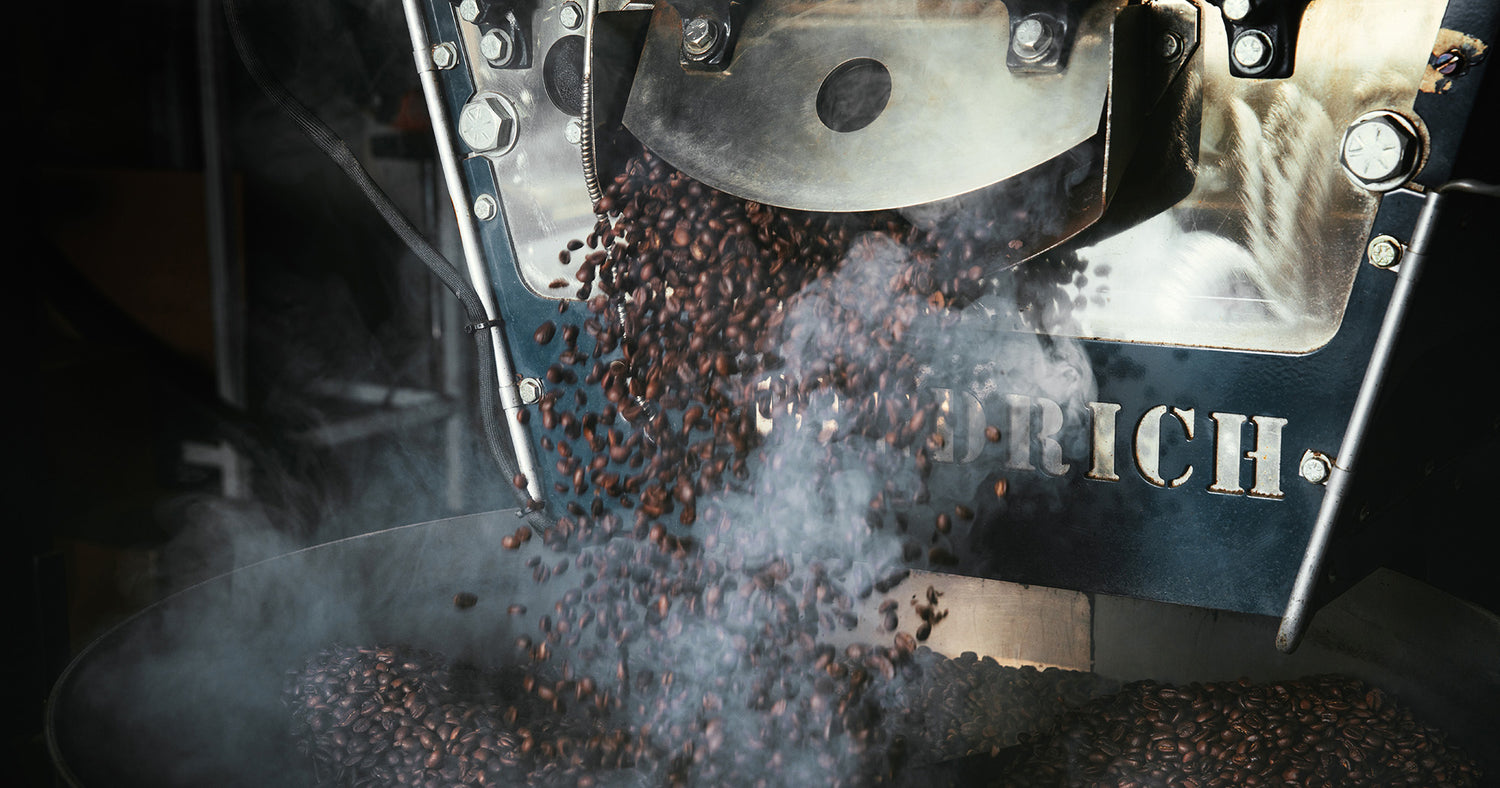
Roasting is a cooking process carried out without water or oil in an oven called a roaster or burner. After being placed in the drum of this machine, the green coffee beans are subjected to constant rotation until they are evenly cooked. It is during this crucial stage that the beans finally reveal their full aromatic complexity.
During this stage, the roaster must control all the factors that will influence the final result: the temperature of the drum, the cooking time, and the flow of hot air circulating in the machine. It is all of these factors together that determine the roasting profile of each coffee.
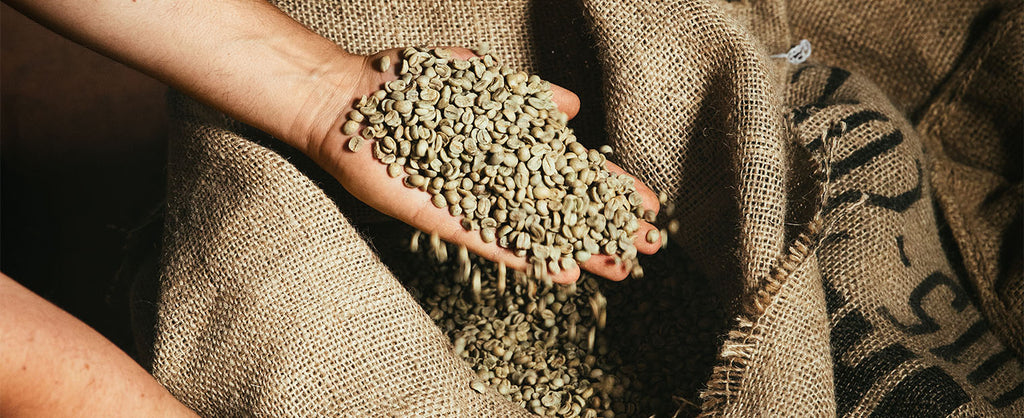 The transformation
Kinds of roasting:
Although there are a wide variety of roast types, the three main ones are:
• light/blonde roast;
• medium/medium-dark roast;
• dark/dark roast.
Light/blonde roast, also known as light or pale roast: this profile is very popular in Scandinavian countries, among others. In English, it is referred to as “cinnamon roast” or “half-city roast.”
Medium/medium-dark roast, also known as brown or Italian roast: this profile is particularly popular in North America.
Dark/black roast, also known as French roast: the master roaster must be very vigilant throughout the process to ensure that the beans do not burn, even though they are exposed to heat for longer than in the two previous types of roast.
 Impacts on the been
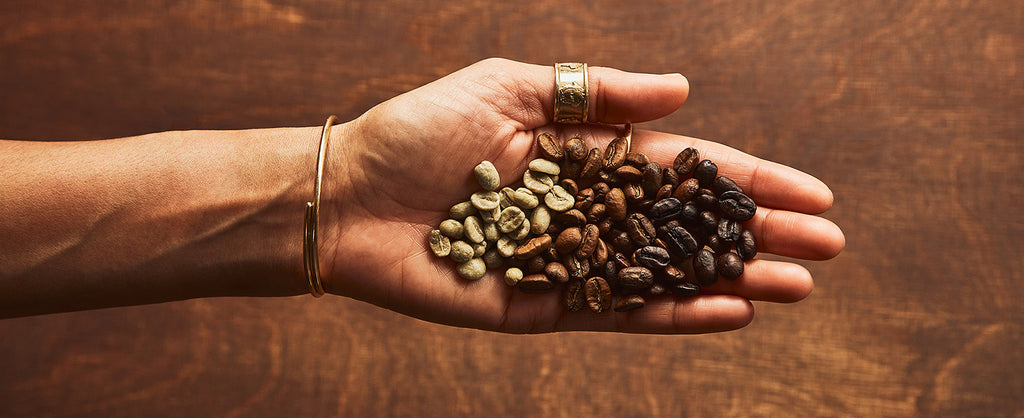
Depending on the degree of roasting, the same bean will have a different color and texture.
Light roasting produces a fairly pale brown bean. Medium roasting produces a caramel brown color. And, as its name suggests, dark roasting produces a color that varies between dark brown and black.
This coloration is due to the caramelization of the sugars naturally present in the bean, as well as chemical reactions that occur under the effect of heat. These are known as Maillard reactions, named after the French biochemist Louis Camille Maillard. The chemical reactions between the sugars and proteins in the bean are responsible for the pleasant smell we perceive, for example, when cooking meat or toasting bread.
In addition to affecting color, the degree of roasting gives the bean a more or less oily appearance. This is because the bean swells and opens up during roasting. The longer the roasting time or the higher the oven temperature, the more the oils in the bean tend to rise to the surface.
 Impacts on the taste
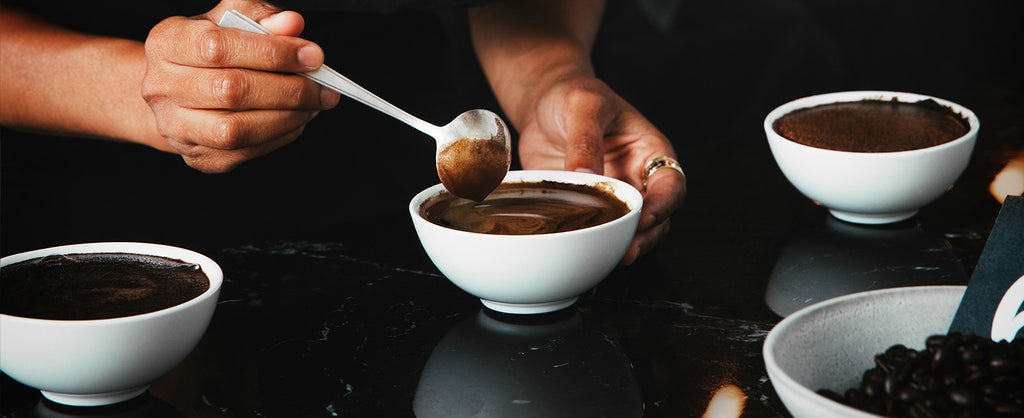
Roasting plays a decisive role in determining the final taste of the coffee we drink.
Generally speaking, the lighter the coffee, the more its fruity and acidic characteristics are preserved. Light roasting brings out the aromas and flavors typical of the region where the beans come from. This type of coffee usually offers a lively and lingering sensation on the palate.
Medium roasting produces coffees whose aromas remain noticeable while offering mild flavors and textures on the palate. These are safe bets that are appreciated by most consumers.
Finally, the darkest coffees develop roasted and cocoa notes with a more pronounced bitterness and less acidity. This type of roast is often mistakenly referred to as full-bodied coffee. This is because when tasting it, the first sip, known as the “attack,” is intense and has less length on the palate. However, a very acidic coffee can have an equally full-bodied flavor.
In conclusion, roasting is an essential process in coffee preparation, allowing its full aromatic complexity to be revealed. From the choice of roasting profile to the impact on the color and taste of the beans, each step plays a decisive role in the taste experience.
