
Cortado: the perfect balance
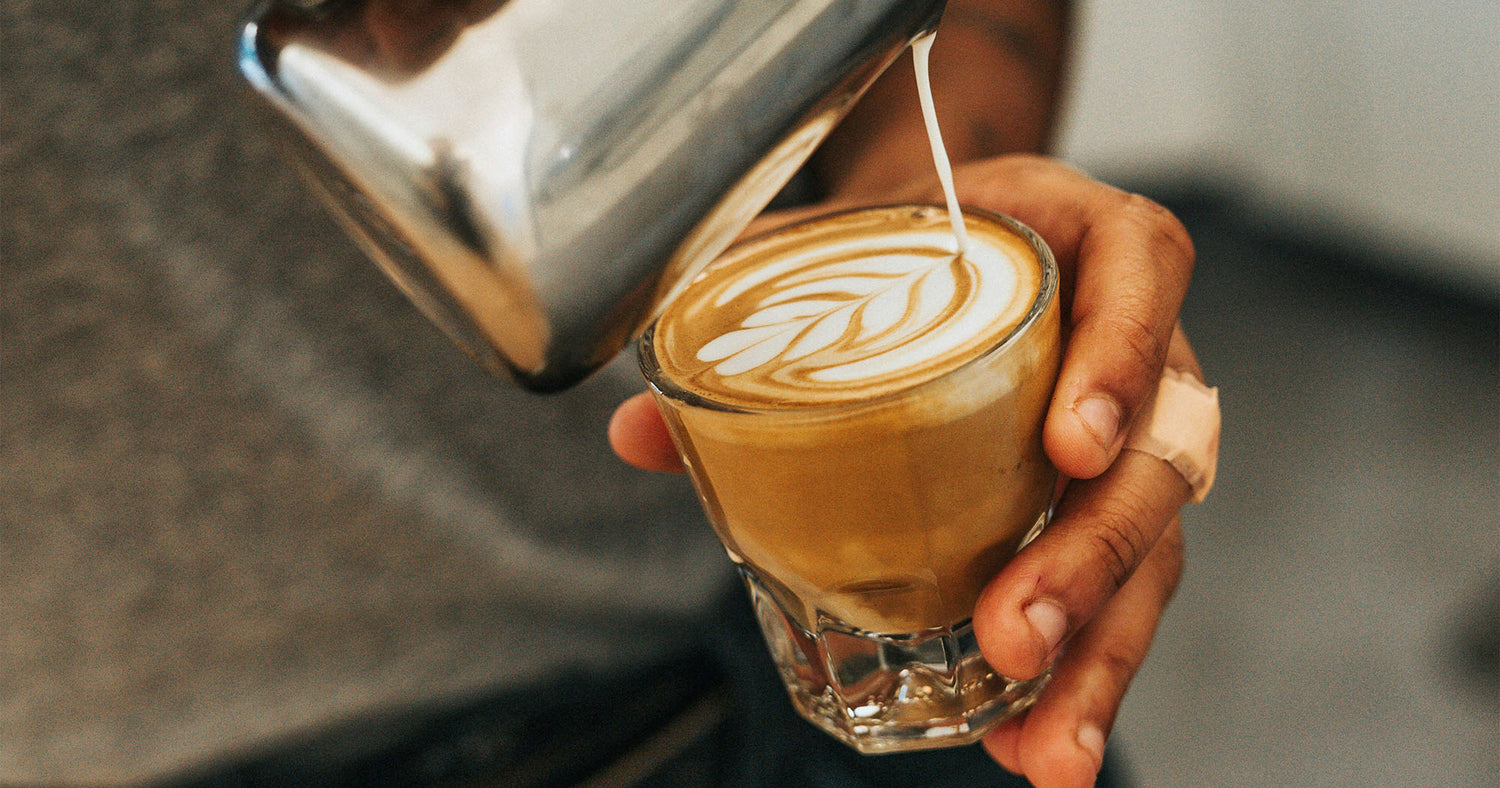
The Origins of the Cortado
The cortado traces its roots to Spain, with particular ties to its emergence in the Basque region in the early 20th century. It is a drink that has gained worldwide popularity, cherished and celebrated for its perfect balance between coffee and milk. It is worth noting that cortado means "cut" in Spanish, a reference to the milk "cutting" through the acidity and intensity of the espresso.
Positioning
The cortado occupies a unique position in coffee culture: it bridges the gap between the more milk-forward latte and cappuccino and the intensity of a straight espresso. The precision of its milk-to-coffee ratio creates a distinct flavour profile that appeals to those who want the strength of espresso tempered by a touch of milk, without the larger milk volume found in other espresso-based drinks. This balance has propelled the cortado from a local tradition to global recognition among coffee aficionados, blending a rich coffee experience with a piece of Spanish heritage.
Global adoption
Around the world, the cortado has inspired and been embraced by many cultures under various names, with minor adjustments to proportions or preparation methods. It is sometimes called a Gibraltar, a name referring to the small 4–5 oz transparent glass in which it is traditionally served.
The piccolo latte (which, despite its Italian name, originated in Australia) closely resembles the cortado but with a few distinctions. It may be prepared with a single ristretto, meaning the espresso shot is shorter and more intense, and it typically contains one part coffee to two or three parts milk.
How to prepare a cortado
As a general rule, a cortado is served in a glass with a capacity of approximately 120 to 150 millilitres (4 to 5 oz), achieving an equal balance between the intensity of the espresso and the smoothness of the milk. The ratio typically falls between 1:1 and 1:2 one part coffee to one part milk, or one part coffee to two parts milk.
The Perfect Cortado
- Pull a single or double espresso according to your preferred recipe into a cortado glass. As a reminder, depending on your taste, you will need 15–20 g of ground coffee to yield 30–60 ml (1–2 oz) in the cup. Note that for lighter, third-wave coffees, we recommend using a higher dose to achieve a well-balanced flavour.
- Heat and texture a small amount of milk in a steaming pitcher to 65 °C (150 °F). The milk should be silky and free of large bubbles.
- Pour the milk to achieve an equal ratio of espresso to milk, or a ratio of one part espresso to two parts milk.
- Finish with latte art to the best of your ability.
